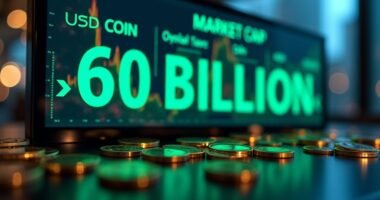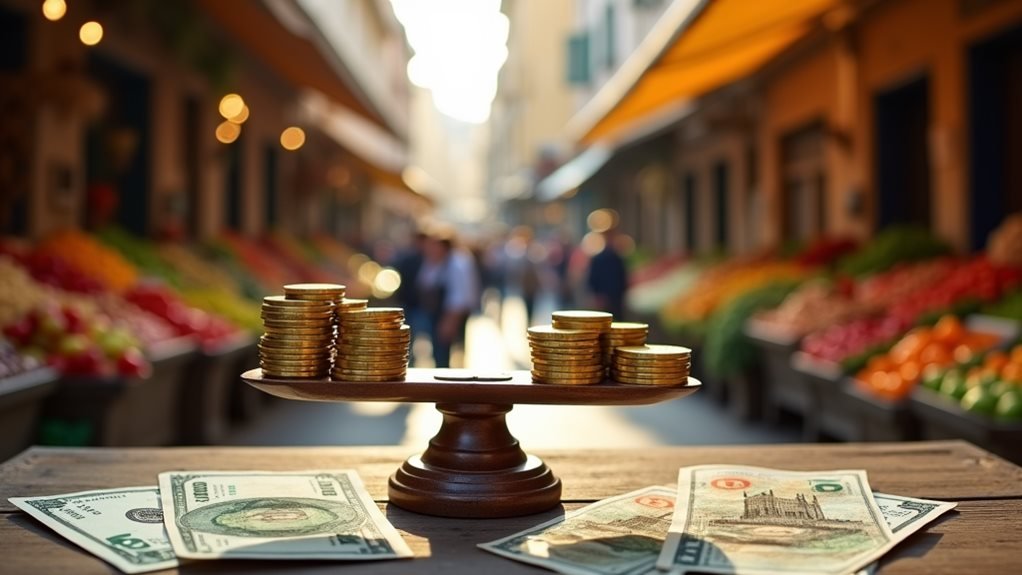

As the world increasingly embraces digital currencies, the rise of US stablecoins is stirring up quite a pot of soup in the Eurozone, threatening to turn a simmering conflict into a full-blown stew.
These dollar-pegged digital currencies are not just a financial fad; they pose significant risks to Europe’s monetary sovereignty.
Picture Europe as a cozy café, and US stablecoins as an uninvited guest who just won’t leave.
The chatter about “digital dollarization” raises eyebrows, especially as these stablecoins could quietly edge out the euro in cross-border transactions, much like an overbearing relative at a family gathering.
In response, Europe is stepping up its game, pushing forward the digital euro project to safeguard its financial independence and stability.
The EU is not just sitting on its hands; it’s rolling out the Markets in Crypto-Assets (MiCA) regulations to limit the impact of foreign stablecoins.
It’s like putting up a “No Entry” sign in front of a prized pastry display, ensuring that the euro remains the belle of the ball.
Meanwhile, Italy and other European nations are rallying for a unified approach at the G7, realizing that differing views on stablecoins could stir up geopolitical tensions akin to a heated debate over the last piece of pizza.
The technological advancements that enable stablecoins to thrive might be impressive, but they also raise regulatory challenges. The success of dollar-denominated stablecoins could affect euro area’s monetary sovereignty; fiat-collateralized stablecoins can create a scenario where the euro could be overshadowed as concerns over monetary sovereignty from foreign stablecoins highlight the urgency for a digital euro.
As the Eurozone grapples with these issues, the stakes are high.
The financial dependence on US stablecoins could weaken Europe’s economic independence, making it feel like a passenger in someone else’s car during a road trip.
In this complex dance of currencies, Europe must find its rhythm—balancing innovation with stability—if it hopes to maintain its place on the global stage.